A mixed bag
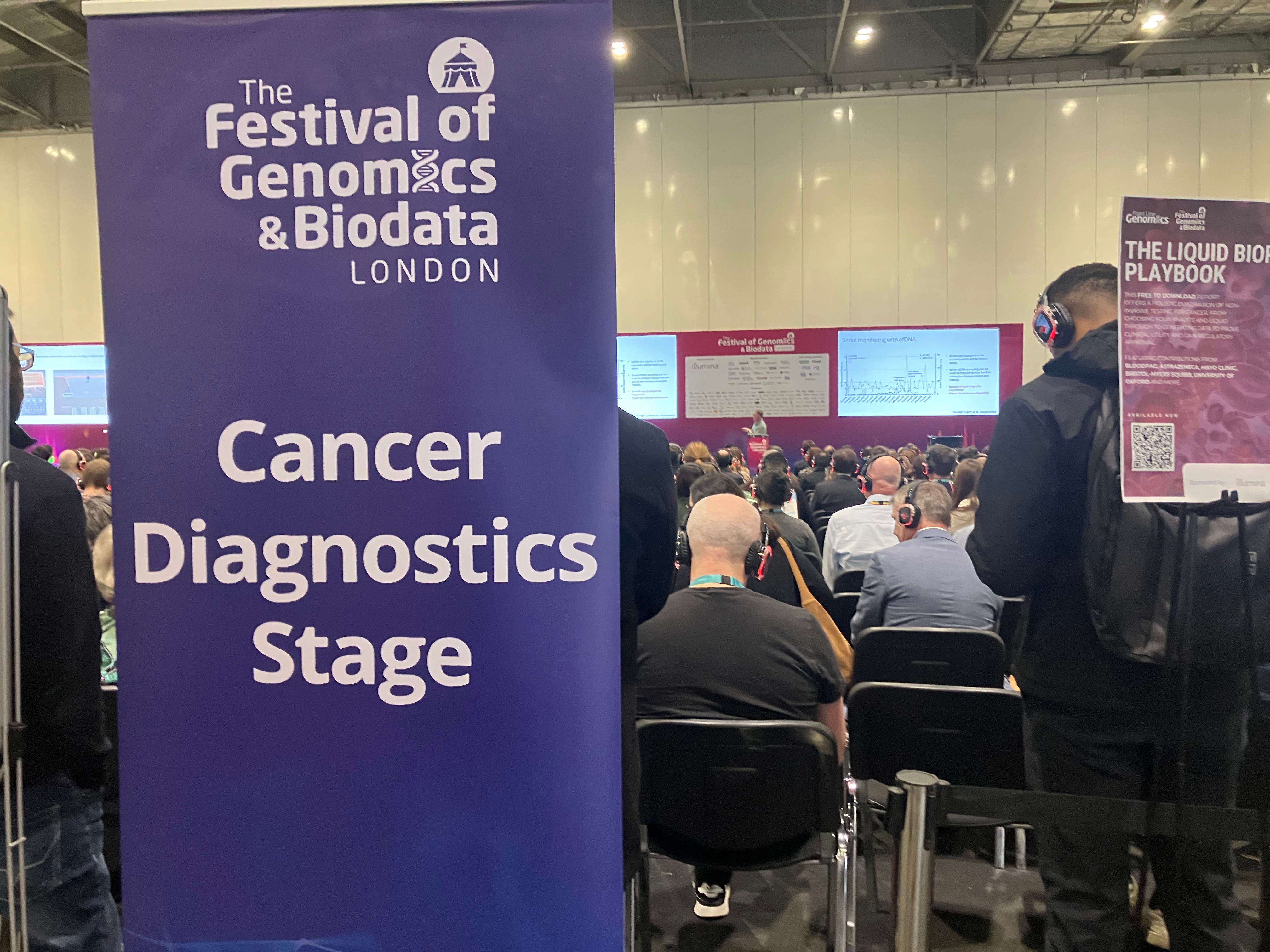
Thoughts on my recent visit to the Festival of Genomics and Biodata 2026

Let’s cut to the chase…
While I thought this year’s event might provide me with some practical takeaways, I was left feeling underwhelmed compared to previous meetings. - So much so that I left early, something I rarely do at these types of meetings.
Although it’s a fantastic venue, with real progress being made in treating a range of genetic disorders across the UK, variety in scope and ambition from the cancer talks was lacking. There was great hype over the NHS’ “Fit for the Future 10 Year Health Plan for England” and how long read sequencing and liquid biopsy technology would revolutionise how we diagnose and monitor cancer treatments, but for them to be truly successful, in my opinion at least, more dramatic change at the systems level is still needed.
There were some signs of real progress in monitoring immunotherapy treatments with these additions - including the use of gut modulating therapies and liquid biopsy technology, but their utility was very specific.
We know that the efficacy of these approaches varies significantly for different cancers - with much greater efficacy for breast and lung, where use has recently become part of the standard of care… with great caution I might add.
Breast cancer in particular sheds a substantial amount of ctDNA, so the case is strong, with implementation into standard monitoring procedures began last month… with some caveats. Lung cancer isn’t far behind following some very encouraging data, and proposals are in the pipeline to push this forward for other cancers, but again, only in very specific cases.
CNS cancers are more difficult to monitor and categorise using these methods, so I was left with just a few scraps of new information to try and make sense of in any meaningful, practical way.
I have since undertaken further investigation on some of the key takeaways relating to my area of interest and have made some surprising conclusions.
My thoughts on what I actually learned
